


We’ve reached the final chapter of our series on capitalisation! After exploring how to build on project results and turn them into real drivers of territorial impact, it’s time to focus on a key element: choosing the right partners.
To conclude this series, let’s dive back into the experiences of AZA4ICE, LOGREENER, MPA4CHANGE, TO CARE MED, and WE GO COOP. Their insights offer valuable guidance for building the most effective partnership to ensure a successful project.
Three ways to (re)build its partnership
When a project decides to continue the journey, the lead partner faces a strategic question: who should come along? Several options are available.
The first is to move forward with most of the existing partnership. This choice makes it possible to preserve established working methods, existing processes and, above all, a shared vision of how the project should evolve.
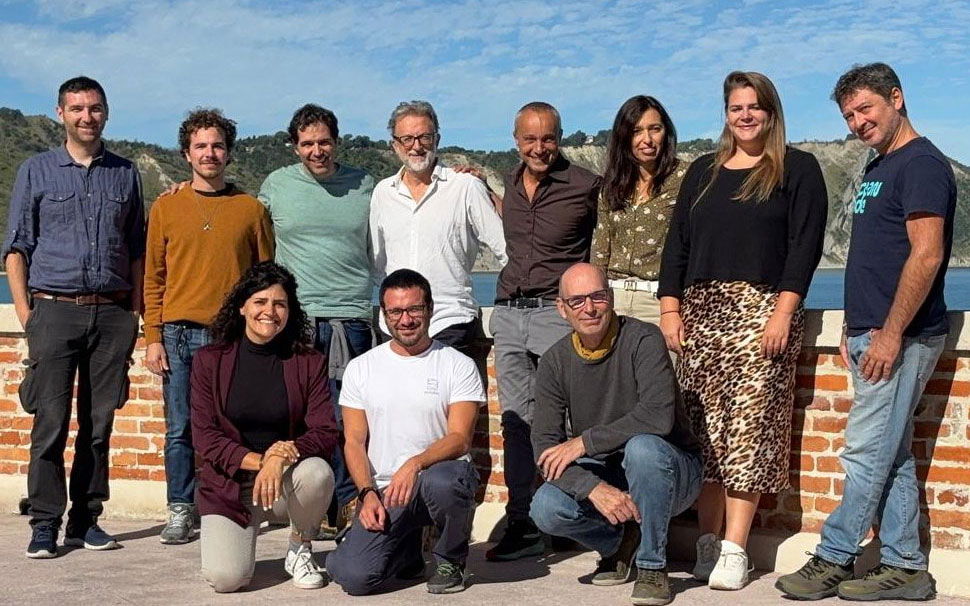
This was the approach chosen by the MPA4CHANGE project, formerly MPA Adapt and MPA Engage: ‘Having a core group with a shared understanding and a common vision for developing the tools was crucial to the project’s success. In MPA Adapt, we spent considerable time aligning on our approach; had we changed the partnership in the next project, we would have had to restart that alignment from scratch’ note Nicolas Espitalier, consultant at B.Link, and Joaquim Garrabou, researcher at the Institute of Marine Sciences in Barcelona.
The two other options involve a strategy to renew the partnership:
- A nearly complete renewal of the partnership: this is particularly relevant when the objective is to transfer results to new territories. This was the choice made by the TO CARE MED project, which builds on the results of the SHAPE TOURISM and ALTER ECO projects to test its Tourism Carrying Capacity Limit (TCCL) tool in new tourist destinations. ‘The project, initially focused on coastal cities, is now expanding to rural areas,’ explain Raffaella Lioce and Nicola Camatti.
- A partial renewal of the partnership: chosen by most projects, this hybrid approach allows the integration of new skills while expanding the project’s impact.
Indeed, to move to the next stage, a project often needs to scale up.
This raises a key question: how can new partners be effectively integrated into an existing partnership dynamic and a project already in motion?
Expanding the partnership: expertise, geographical diversity, institutional links
Expanding a partnership is not just about adding new names to a consortium. It is first and foremost about identifying the new skills needed to move the project forward.
The first step is therefore to assess the expertise already present within the partnership and pinpoint what is missing in order to strengthen the project technically, institutionally and strategically.
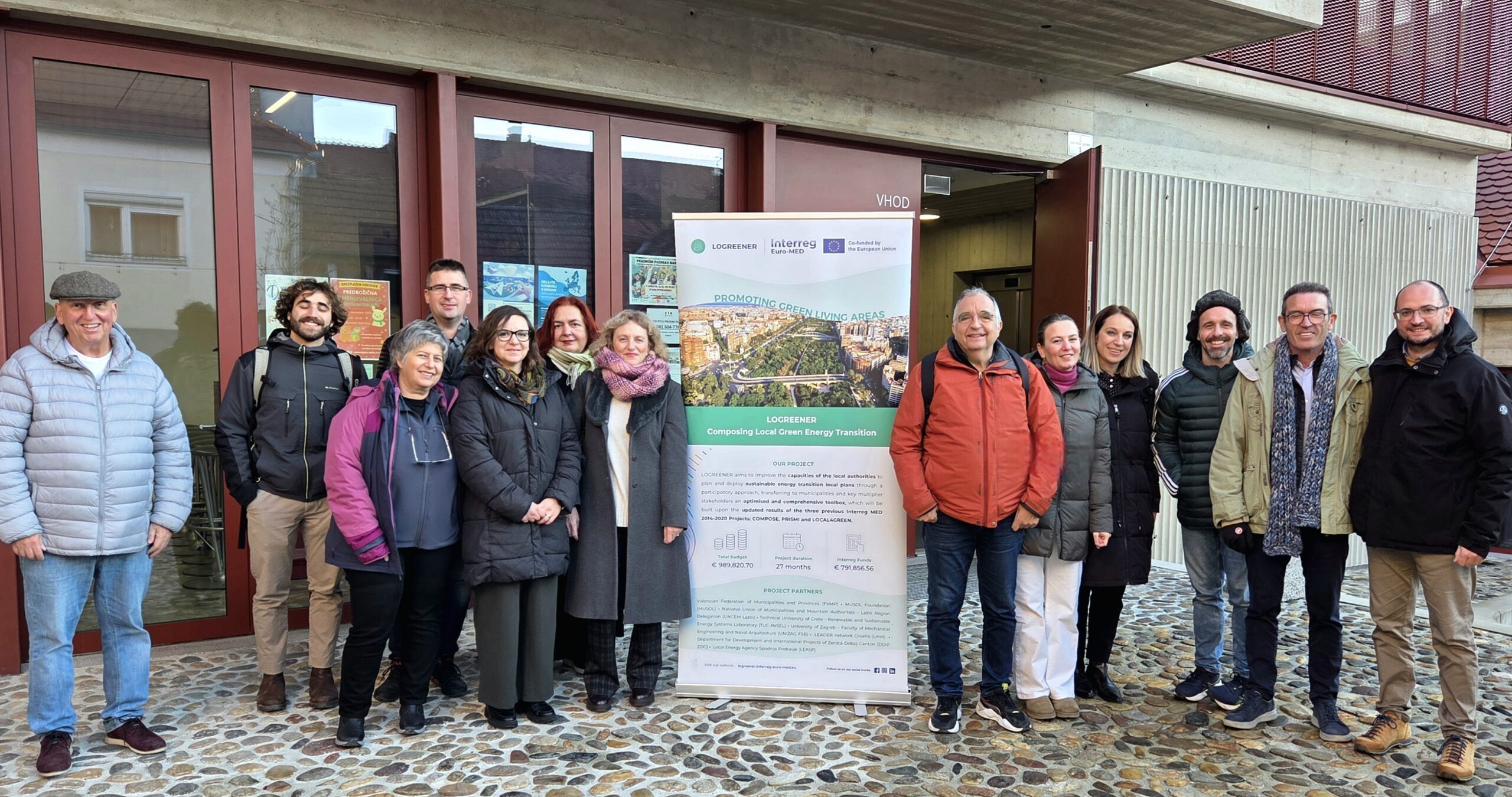
This is how Yolanda Nicolau, project coordinator, and Francesco Filippi, technical partner of LOGREENER – a project building on LOCAL4GREEN, PRISMI and COMPOSE – explain they designed their partnership ‘according to the added value each organisation can bring to the partnership : technical capacities on energy transition tools, capacities in dissemination… You need to decide each partner according to the value you need and each added-value the partner brings.’
But expertise is not the only criterion. Expanding a partnership also addresses another major objective: ensuring strategic and geographical diversity among actors. Public authorities, universities, research institutes, NGOs, SMEs… this multi-stakeholder approach is essential ‘to foster diverse perspectives and cross-country collaboration, enabling a deeper understanding of partners’ evolving needs,’, underline Romina D’Ascanio, researcher and Communication Officer of the WE GO COOP project, which builds on the WetNet and TUNE UP projects.
Geographical diversity also plays a key role: integrating partners from varied socio ecological contexts makes it possible to test tools in different environments, thereby strengthening their robustness and replicability across the Mediterranean area.
Finally, new partners are selected for their ‘ability to reach new local authorities’, reveal Yolanda Nicolau and Francesco Filippi from the LOGREENER project. The objective is clear: to strengthen the project’s capacity to influence local, national and regional public policies. In this perspective, the project notably ‘chose energy agencies, associations of municipalities, and organisations that usually work with local authorities in new areas not included in previous projects.’
This approach directly supports the ultimate goal of capitalisation: to facilitate the transfer of results and promote their adoption by public decision makers, ensuring genuine policy and territorial impact.
Tips and best practices for onboarding new partners
Integrating new partners into an already established project dynamic comes with several challenges: incorporating them into an existing workflow, familiarising them with the working methods, and ensuring they quickly align with the project’s logic.
To address these challenges, projects rely on several complementary levers:
- Structuring onboarding around the project’s working culture
The first step is to ensure a shared understanding of the project’s working framework and objectives.
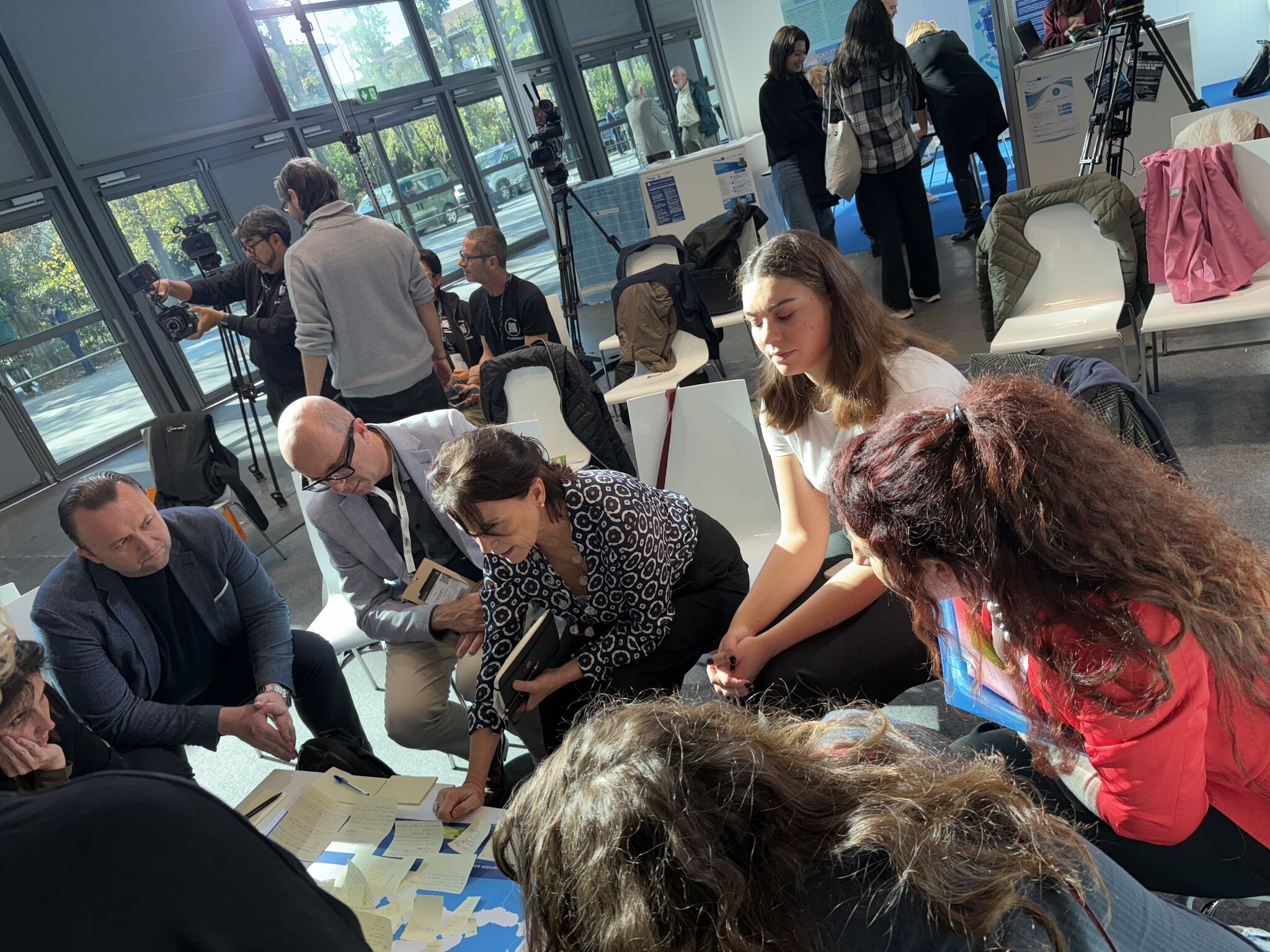
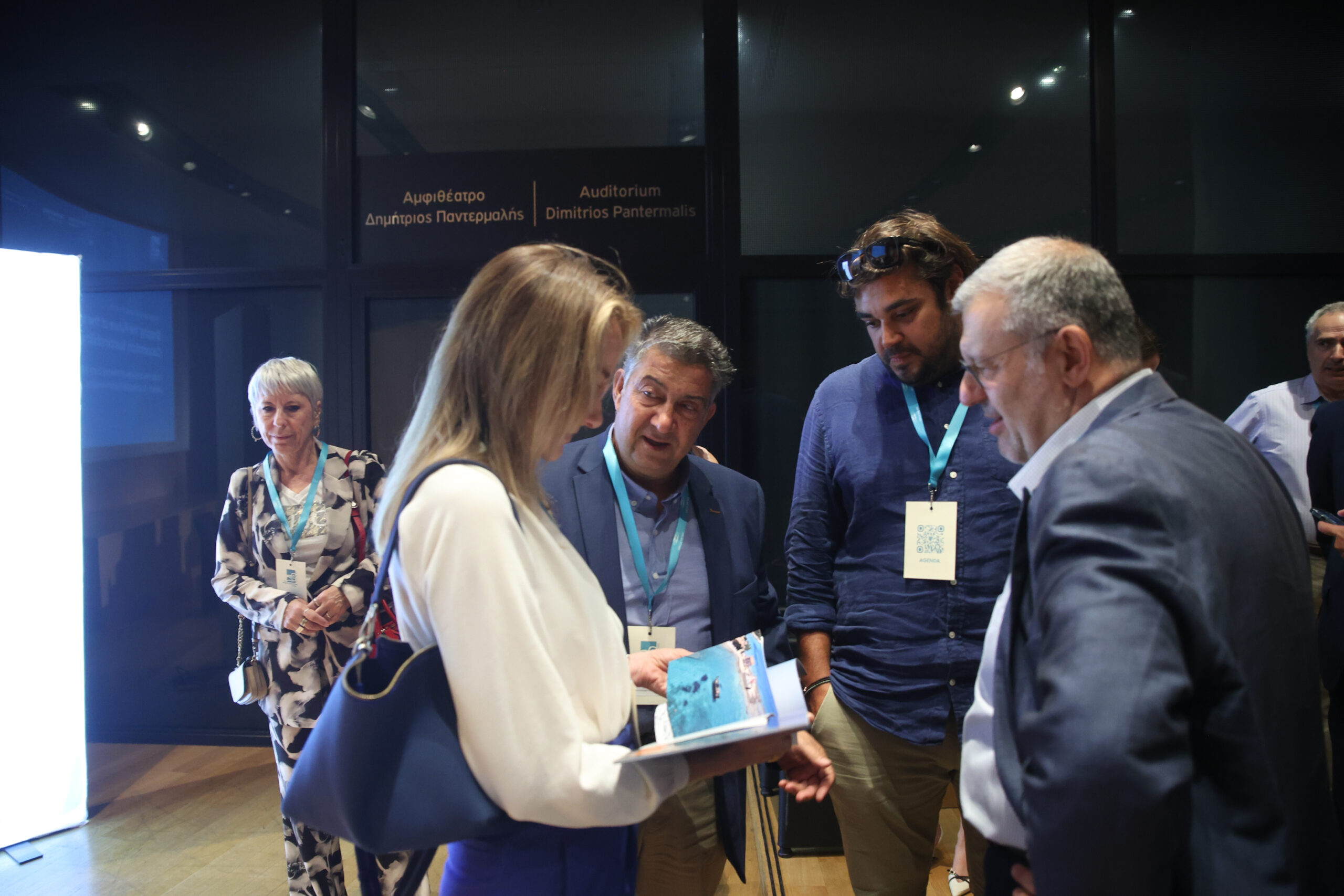
Thanasis Koukounaris and Konstantina Marousi, coordinators of the AZA4ICE project – which builds on the work carried out under the BLUEfasma project – explain that the new partners ‘received a comprehensive briefing on previous project results, methodologies and outputs. They were introduced to the working culture, communication channels and collaborative tools (such as shared platforms, co creation workshops and steering group meetings).’
- Encourage ownership through participatory methods
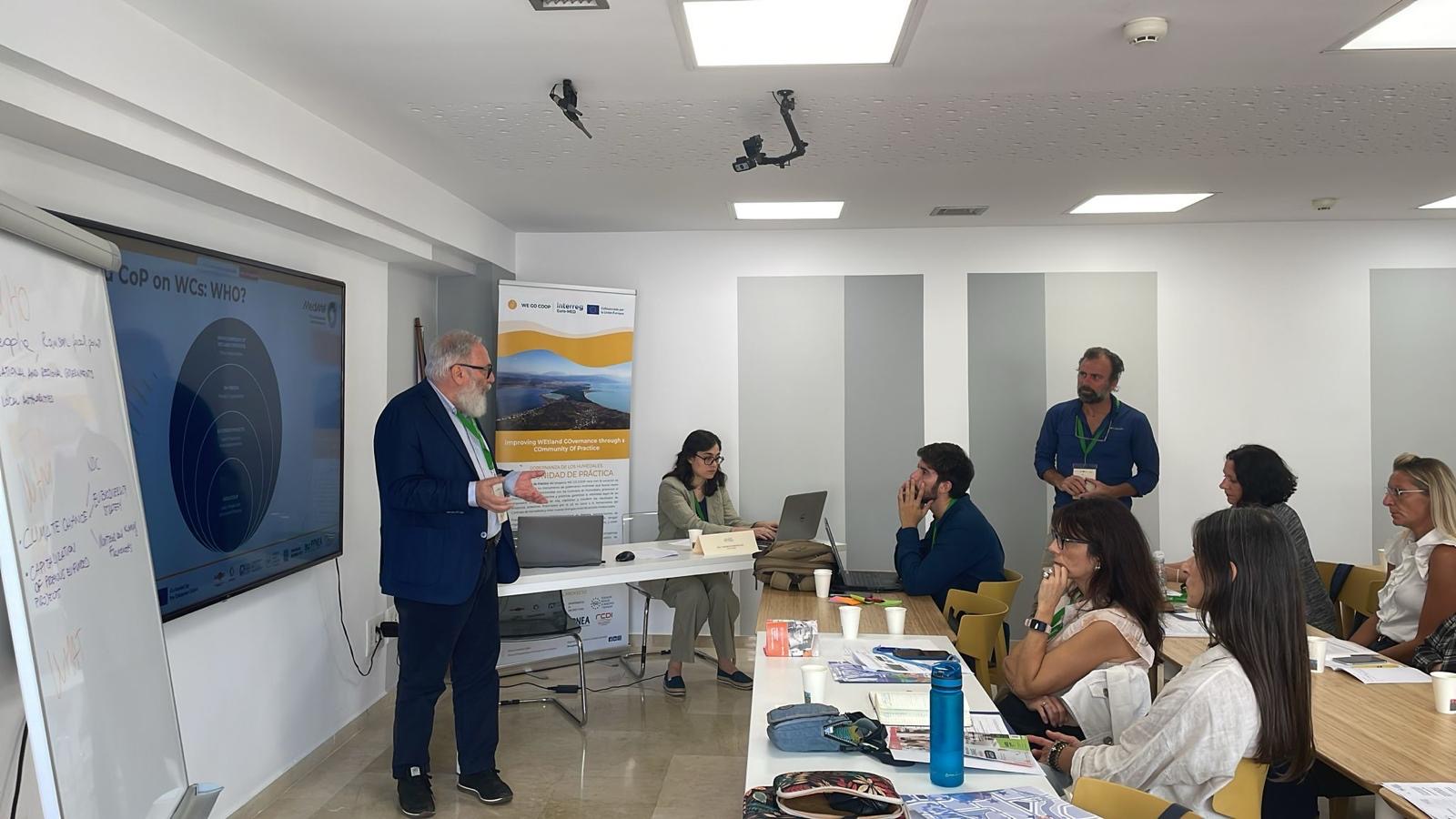
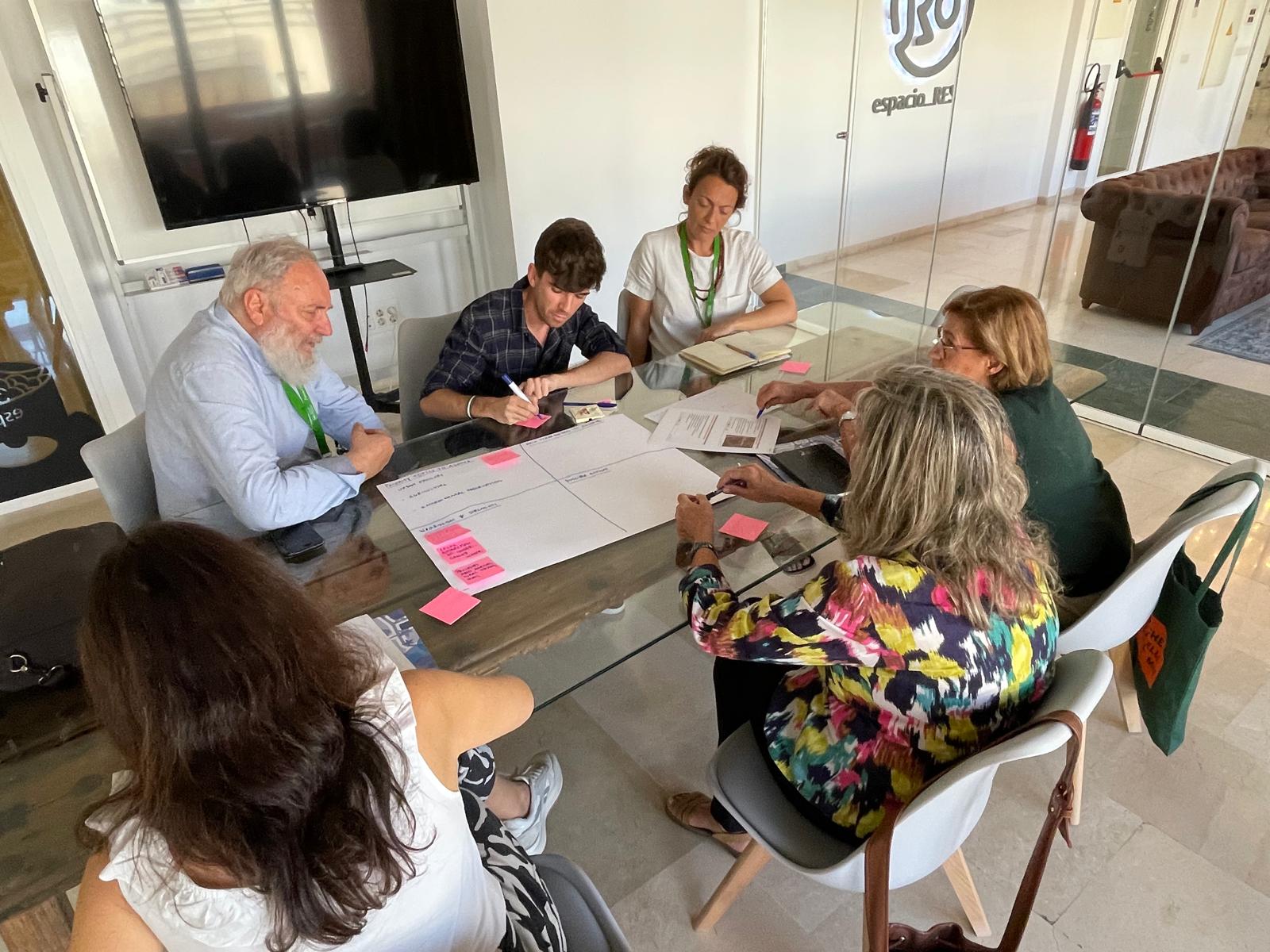
Beyond simply sharing information, successful integration depends on the new partners’ ability to take ownership of the project in practical terms. Participatory methods play a key role in this process. The WE GO COOP project, for instance, opted for a roadshow approach, in which the more experienced partners accompany the new ones as they roll out their activities.
As explained by Elisa Avellini, researcher at Roma Tre University: ‘The more experienced partners supported the newer ones in building both the participatory process and the local meetings within their territories. At Roma Tre, we worked closely with PPNEA, our Albanian partner, maintaining regular contact both online and in person to follow the development of their activities, identify potential challenges or needs, and provide guidance throughout the process.’
- Co‑creating an adapted workflow through a bottom‑up approach
The ultimate goal is not simply to replicate or duplicate existing working methods, but to co‑create a new workflow that is adapted to the diversity of partners and contexts. In this perspective, a bottom‑up approach is essential: it allows each partner to contribute their perspectives, experiences and needs.
New partners must therefore be fully heard and actively involved in the evolution of tools and practices, as well as in the evolution of the project itself. This is illustrated by the LOGREENER project, which shared a questionnaire with all partners involved in the application of the project toolkit ‘to understand which features of the toolkit we should modify or improve according to the requirements of the partners and associated partners’, conclude Yolanda Nicolau and Francesco Filippi. This approach makes it possible to adapt the tools to the real needs of the partnership and the new territories involved.
It is clear that all these processes rely on one essential cross‑cutting element: clear, structured and regular communication to build trust between partners – a prerequisite for the project to function effectively.
You now have everything you need to build a working partnership and successfully take your project forward. So, what are you waiting for to take action?
