

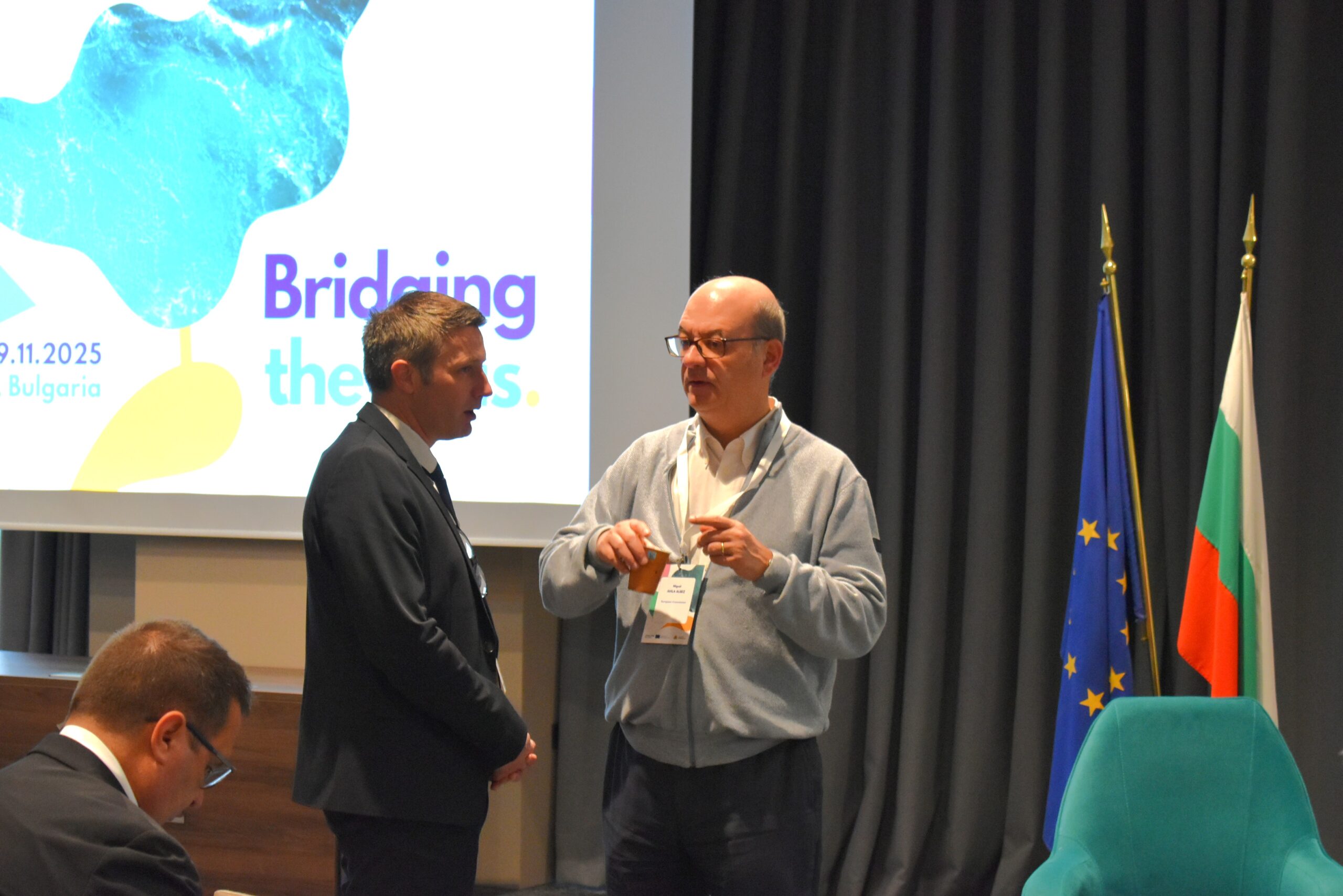
The ‘Bridging the Seas’ event, held in Varna on 19 November 2025, highlighted the power of transnational cooperation and the untapped potential yet to be unlocked.
Over three roundtable discussions, speakers mostly from Eastern Europe demonstrated how the Interreg Euro-MED Programme transforms shared Mediterranean challenges into concrete solutions, contributes to building the capacities of local partners and implementing on the ground broader and EU priorities.

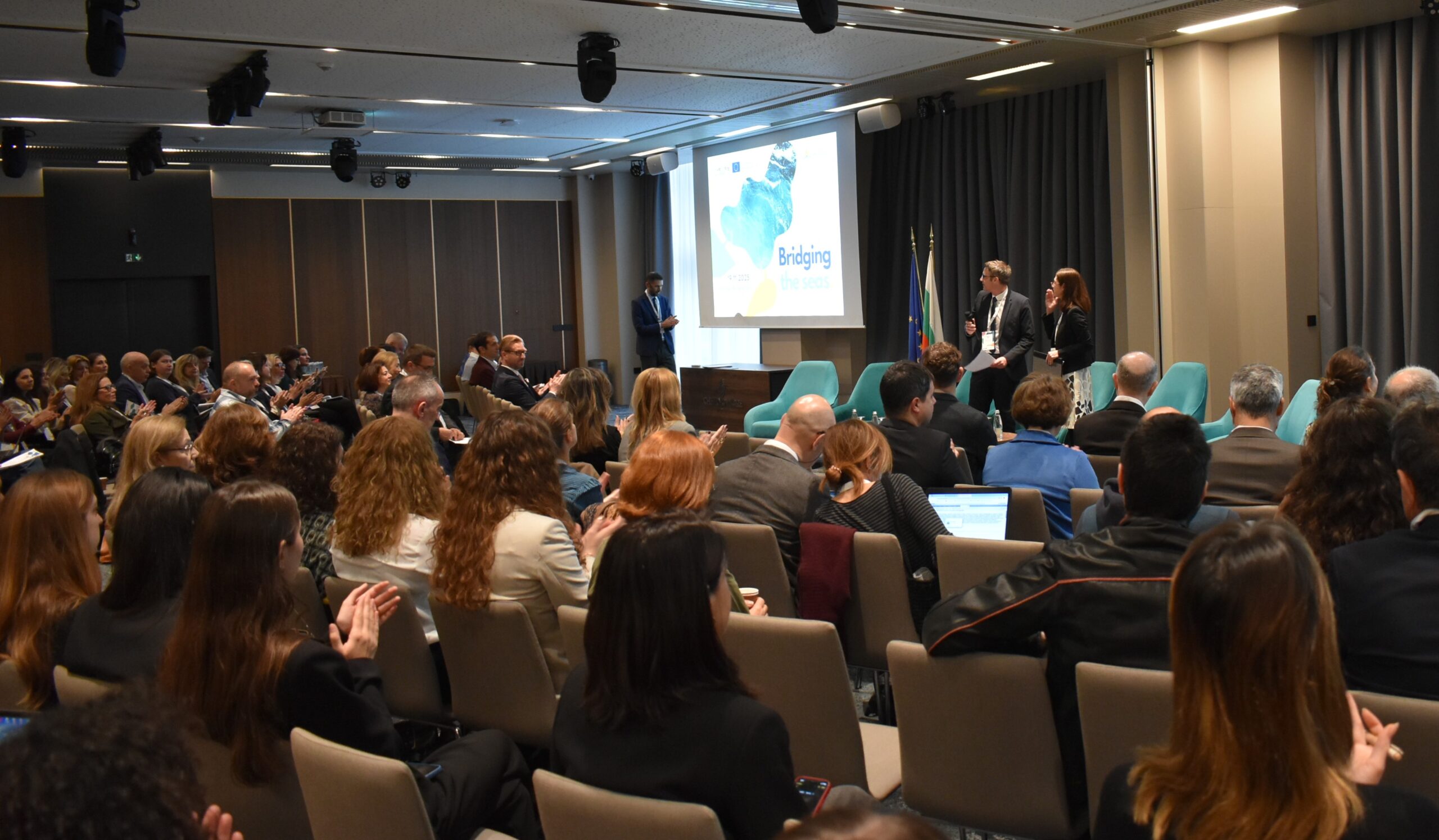


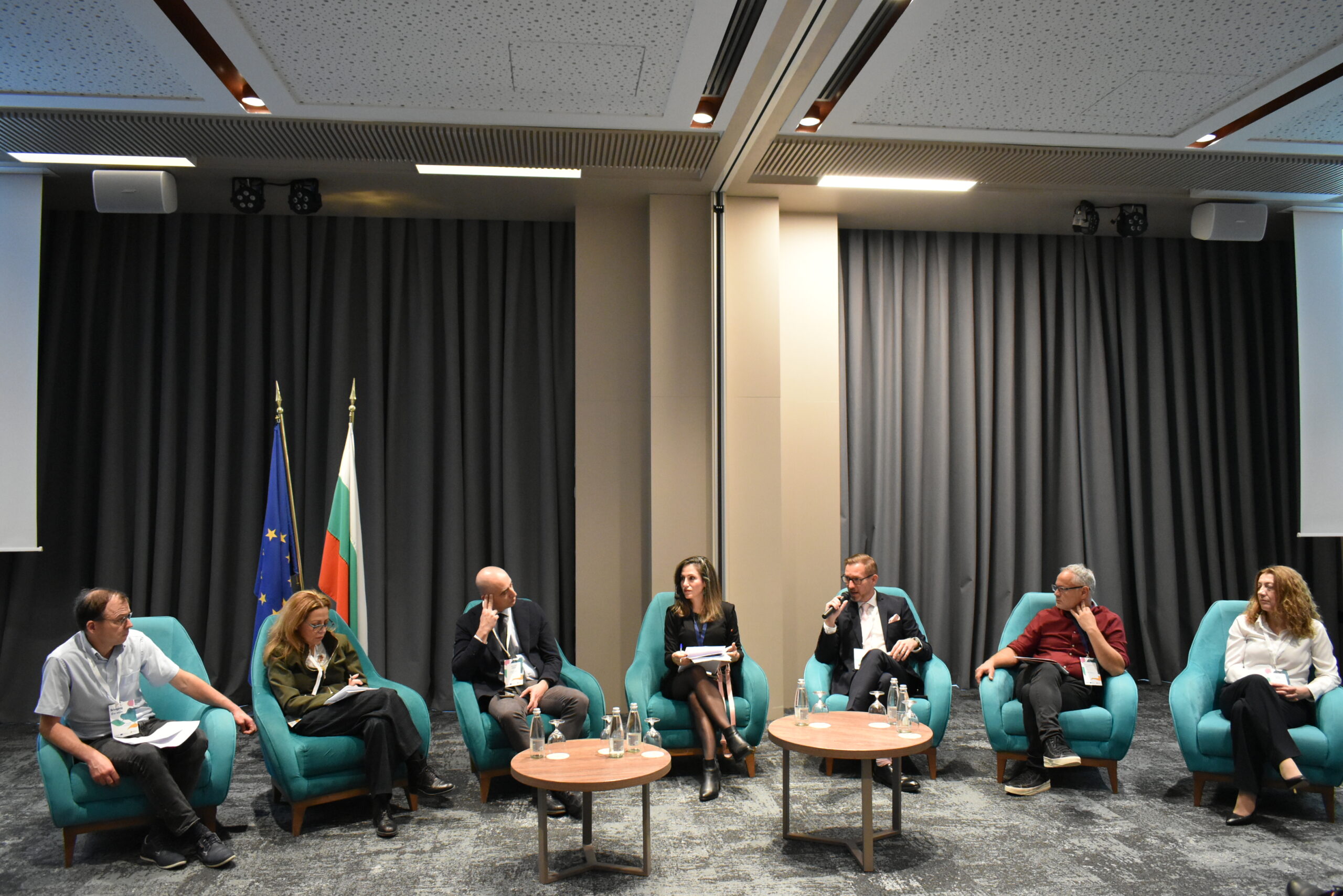
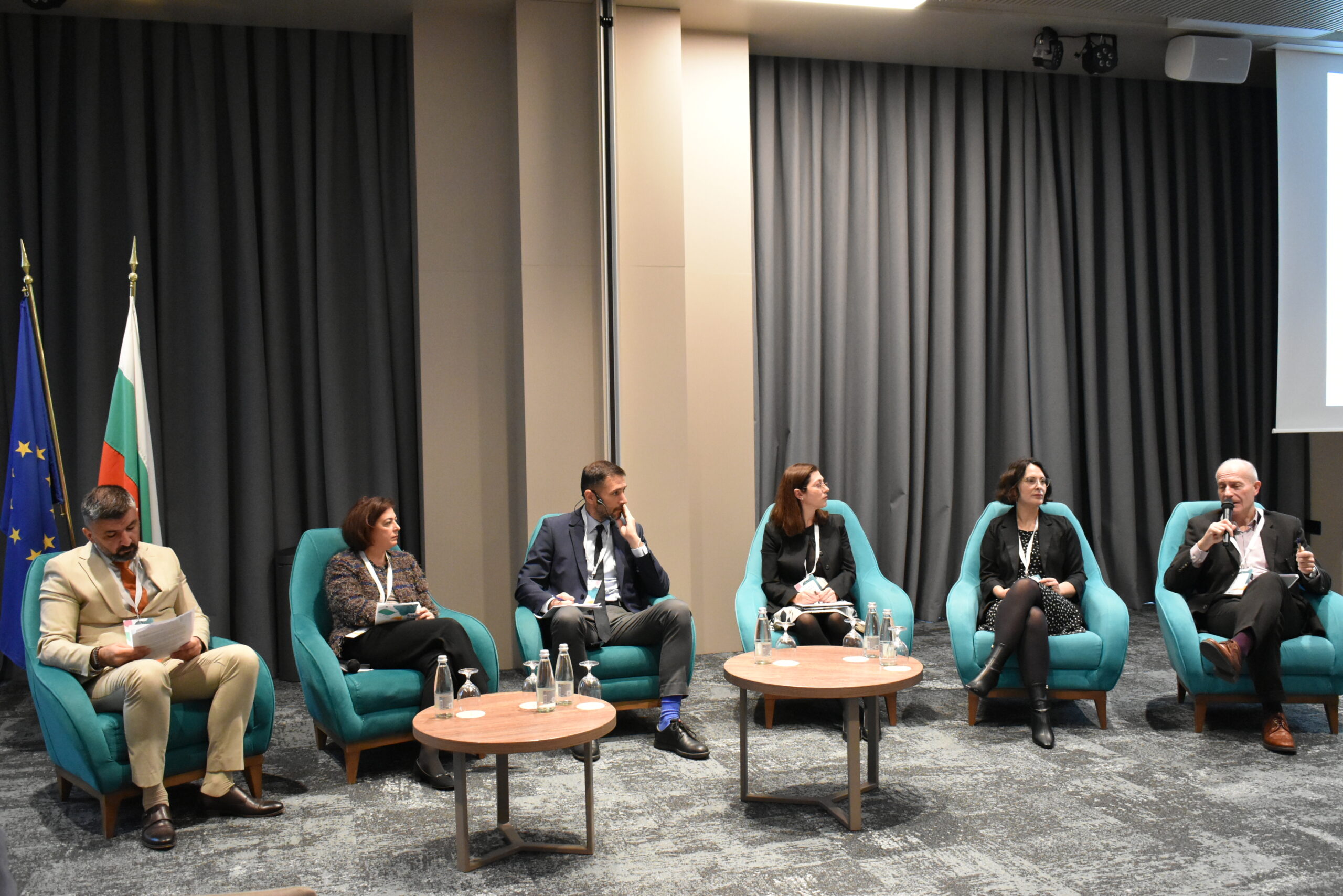
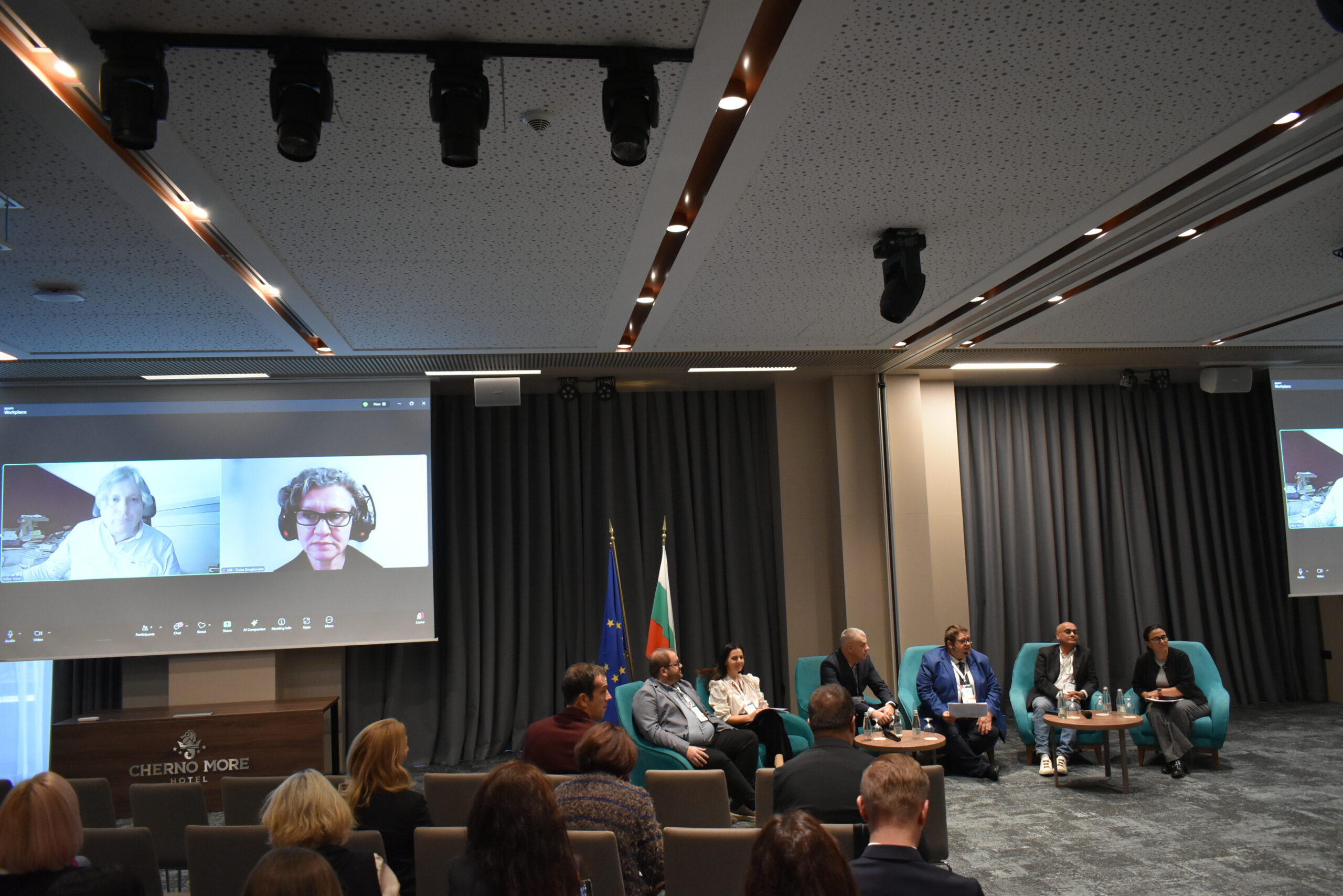
From Local Impact to Regional Leadership: The Power of Cooperation
More than a funding mechanism, the Interreg Euro-MED Programme has always actively promoted transnational partnership culture among diverse organisations (local authorities, academy, private sector, NGOs…) tackling common challenges.
Desislava Georgieva, representing Bulgaria’s Ministry of Regional Development and Public Works, opened the event by emphasising the quality of solutions that Interreg Euro-MED funded projects bring to people’s lives. And throughout the day, participants discussed diverse success stories, addressing issues such as wildfires, tourism management, waste and water management, and circular economy.
According to speakers, successful examples serve as powerful tools for national authorities to encourage broader participation in the Programme, particularly among local organisations and businesses. ‘Welcoming newcomers as project partners is an opportunity we must always be willing to seize,’ stated Curzio Cervelli, head of the Interreg Euro-MED Programme. A key challenge remains: making cooperation attractive not only to public entities but also to private ones, ensuring that all benefit from collaboration.
Participants repeatedly highlighted the Programme’s crucial role for IPA countries—Albania, Bosnia and Herzegovina, Montenegro, and the Republic of North Macedonia, in the case of Euro-MED cooperation area. These ‘IPA countries’ benefit from the EU’s Instrument for Pre-accession Assistance, which supports potential future candidates for EU membership.
Marko Opančar, from the Croatian national authority, noted that ‘over the past 15 years, IPA countries have progressively shifted from ‘could be included’ to ‘should be included’ in partnerships.’ This evolution reflects their growing capacity and confidence.
A defining strength of this collaboration is the seven-year perspective given by Interreg programmes. This long-term framework allows local partners to gain experience while fostering stronger transnational partnerships. For IPA countries, it provides a unique opportunity to build capacity and prove their value as both partners and lead partners. During the event, testimonies from Montenegro (now leading two projects), North Macedonia, and Bosnia and Herzegovina confirmed their deepening commitment.
Synergies in Action: Macro-Regional Strategies and Interreg Euro-MED
While the Interreg Euro-MED Programme drives on-the-ground mobilization through projects, macro-regional strategies—such as the Danube Region (EUSDR) and Adriatic-Ionian Region (EUSAIR)— are here to provide the policy framework needed to scale these achievements.
A critical discussion point was the role of these strategies in facilitating collaboration. As Gilles Kittel from DG REGIO noted, ‘Macro-regional strategies allow national authorities to emphasise how they want to work beyond the seven-year scope of Interreg Programmes.’
The complementarity between the two is clear: Interreg’s seven-year Programmes build sustainable ecosystems for projects and local partners, while macro-regional strategies ensure these efforts align with broader regional and EU objectives. ‘Macro-regional strategies rely on programmes like Interreg to implement their visions,’ explained Robert Lichtner, coordinator at Danube Strategy Point (EUSDR). ‘It’s about what each can offer—and what they can achieve together.’
The event also explored how macro-regional strategies and Interreg programmes can collaborate to mainstream results into larger EU funds, such as ERDF (European Regional Development Fund) or Horizon Europe. This integration increases the likelihood that innovative solutions created and tested thanks to the Interreg framework become more standard practices adopted by a wide range of territories and supported by those larger EU funds.
Initiatives like EUSAIR’s Action Labs (bringing together 12 Managing Authorities) and the Mediterranean Multi-Programme Mechanism (uniting 9 Interreg Programmes) are steps in this direction.
Finally, discussions emphasised the need to explore new instruments to address the Mediterranean’s unique challenges. Whether through thematic clusters, multi-level cooperation, or innovative funding mechanisms, the goal is to develop more cost-effective and impactful solutions. As Desislava Georgieva concluded the second roundtable, ‘We must be brave in exploring new tools that benefit our regions and citizens.’
This forward-thinking approach ensures that the Programme remains adaptive, inclusive, and responsive to the evolving needs of its stakeholders.
Conversation Continues: Hear from the Speakers
To dive deeper into these discussions, explore our exclusive interviews with key speakers from the three roundtables and some presentation material.
