

This is the challenge that many of our projects have successfully taken up, including AZA4ICE, TO CARE MED, LOGREENER, MPA4CHANGE and WE GO COOP. We have met them to understand the capitalisation processes they have put in place. Follow the guide!
Widely used in European and international project circles, the concept of capitalisation still calls for a clear definition. The aim is to facilitate the reuse of results and methods tested in projects, so they can be replicated or adapted to other contexts, or incorporated into local, regional, national, or even European public policies.
The projects we encountered illustrate these scenarios, and stand out for their ambition to push the approach further, underpinned by a strong consortium of partners and high-quality results.
As the Programme launches its Fast lane to enable projects move onto the next phase, dive into our capitalisation stories – starting here, with the first chapter.
Achieving good results and integrating capitalisation from the outset of the project
It may go without saying, but the quality of the results achieved is the first requirement. Take, for example, the TO CARE MED project, which extends the Tourism Carrying Capacity Limit (TCCL), a tool for managing tourist flows developed in previous projects (SHAPE Tourism to ALTER ECO), to other destinations ‘It was our successful results that convinced us to continue. The potential of our method and tools proved to be greater than expected, and that’s when we realised that it would be useful to capitalise on our work’ explains Raffaella Lioce, adjunct professor at Ca’ Foscari University of Venice.
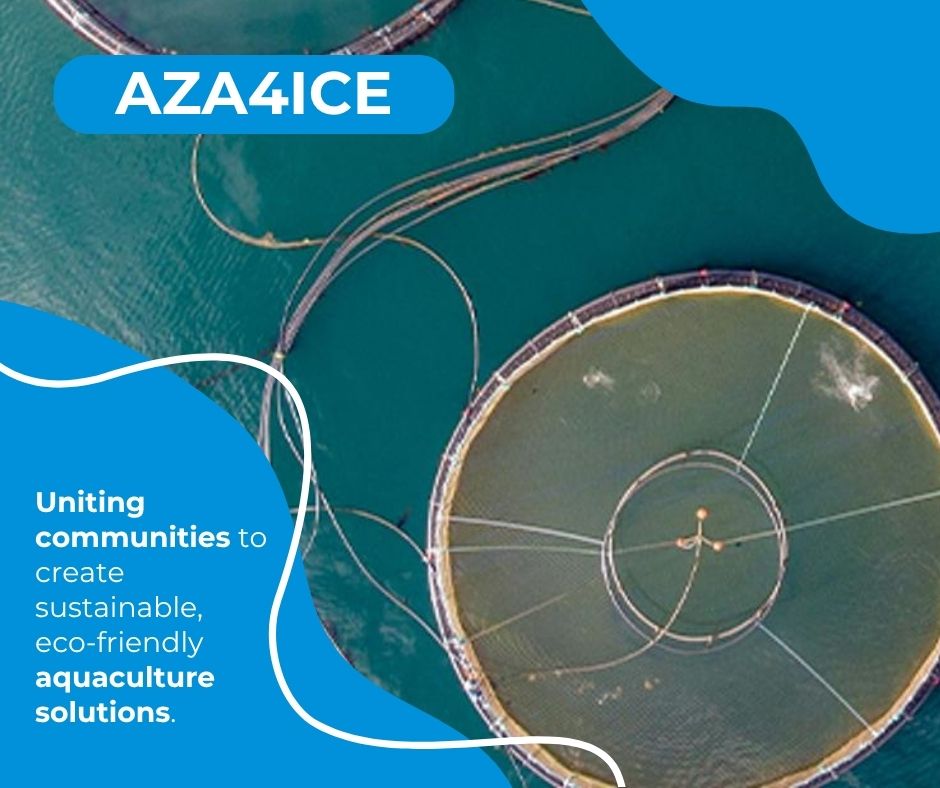
Positive feedback received at external events is also a reliable indicator. This was the case with the AZA4ICE project, which promotes sustainable and circular aquaculture practices in the wake of its predecessor BLUEfasma: ‘the recognition and enthousiasm from the wider stakeholder community clearly highlighted the importance and feasibility of further developing the project outcomes’ note Thanasis Koukounaris and Konstantina Marousi, project coordinators.
But there’s no need to wait until you’ve achieved the desired results to get started!
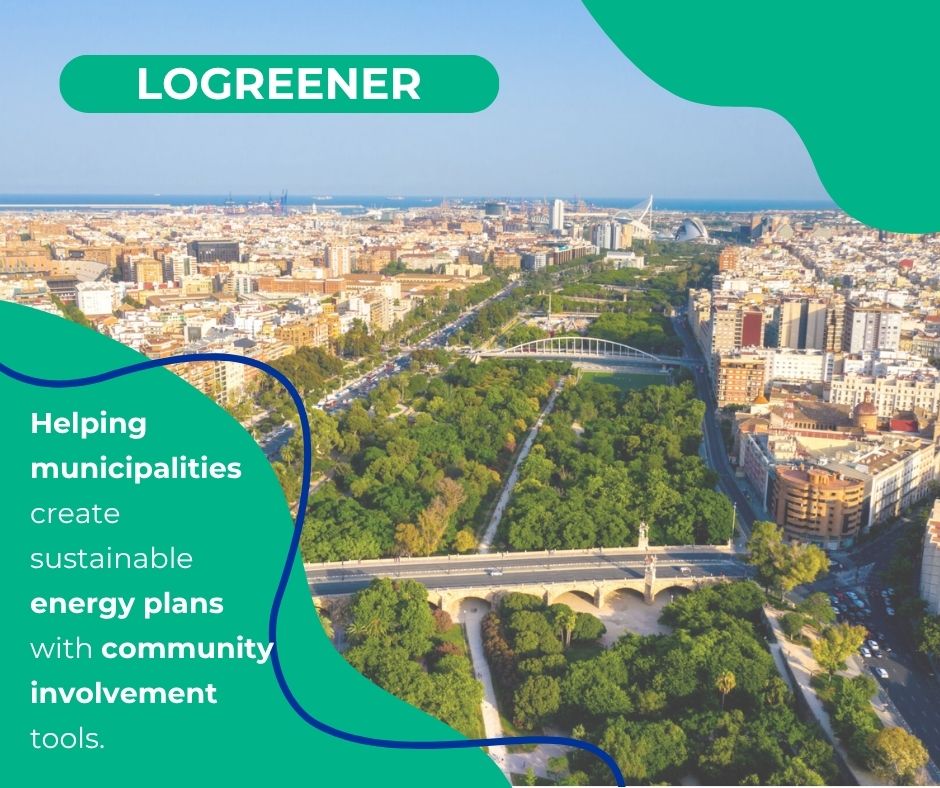
In fact, these projects have in common to have incorporated the concept of capitalisation from the outset. Indeed, while a project only lasts two to three years, ‘the process to engage policy makers takes a long time and a lot of energy’ explains Yolanda Nicolau Abad, LOGREENER project manager. This project builds on the results of the COMPOSE, PRISMI and LOCAL4GREEN projects to help local authorities implement a sustainable energy transition plan.
‘You need to take a capitalisation approach throughout the project. This is how you mobilise stakeholders, gain political support and can apply your research results to real life’ adds Nicola Camatti, associate professor at Ca’ Foscari University of Venice, also part of the TO CARE MED project.
As this story unfolds, we will see that it is essential to:
- Mobilise a broad community of stakeholders and encourage an even wider circle of organisations to follow and take an interest in the project and its developments.
- Consider how the results will be incorporated into public policy from the earliest stages of the work.
Developing your project and bringing together a community of stakeholders around it
Capitalising on the project from the outset, delivering strong results, and embracing continuity form a solid foundation. But there is a fourth element: the capacity to envision complementary developments that go beyond the project’s original scope.
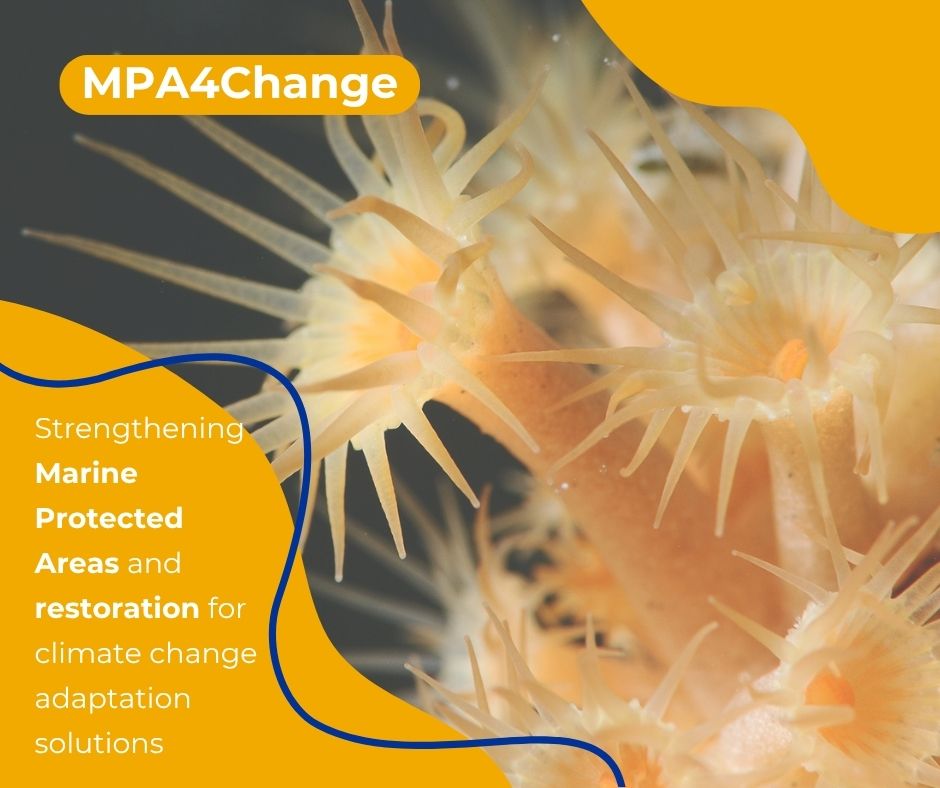
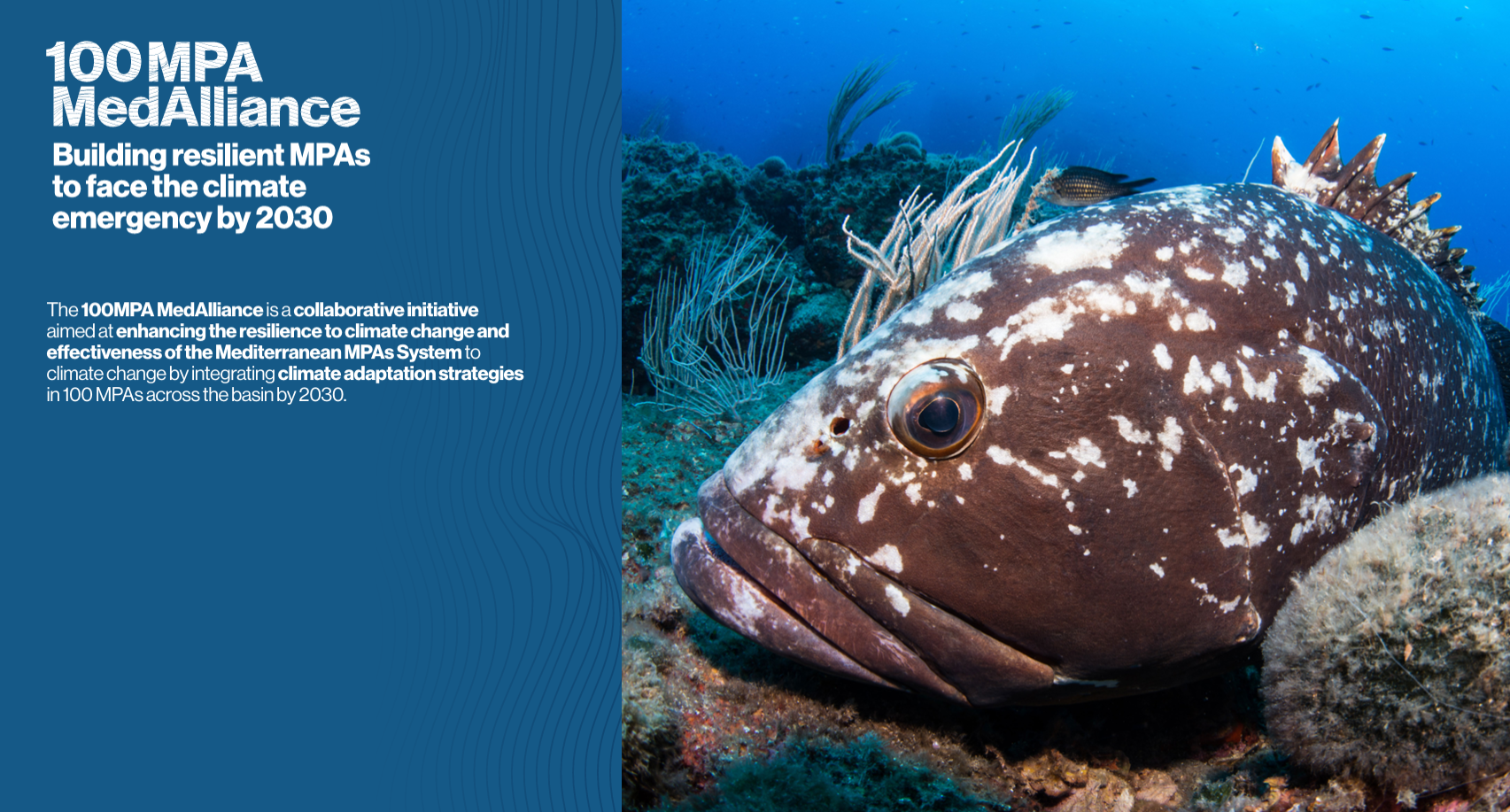
The MPA4CHANGE coordinators therefore launched the 100MPA MedAlliance to help marine protected area (MPA) managers develop climate change adaptation plans. ‘Our toolkit was developed during the MPA-Adapt project and then refined with MPA Engage. But we realised that managers lacked financial resources or the expertise to really make the most of it. That’s why we created the 100MPA MedAlliance to support these hundred MPAs in their adaptation strategies,’ explain B.Link consultant Nicolas Espitalier and scientist Joaquim Garrabou from the Institute of Marine Sciences in Barcelona.
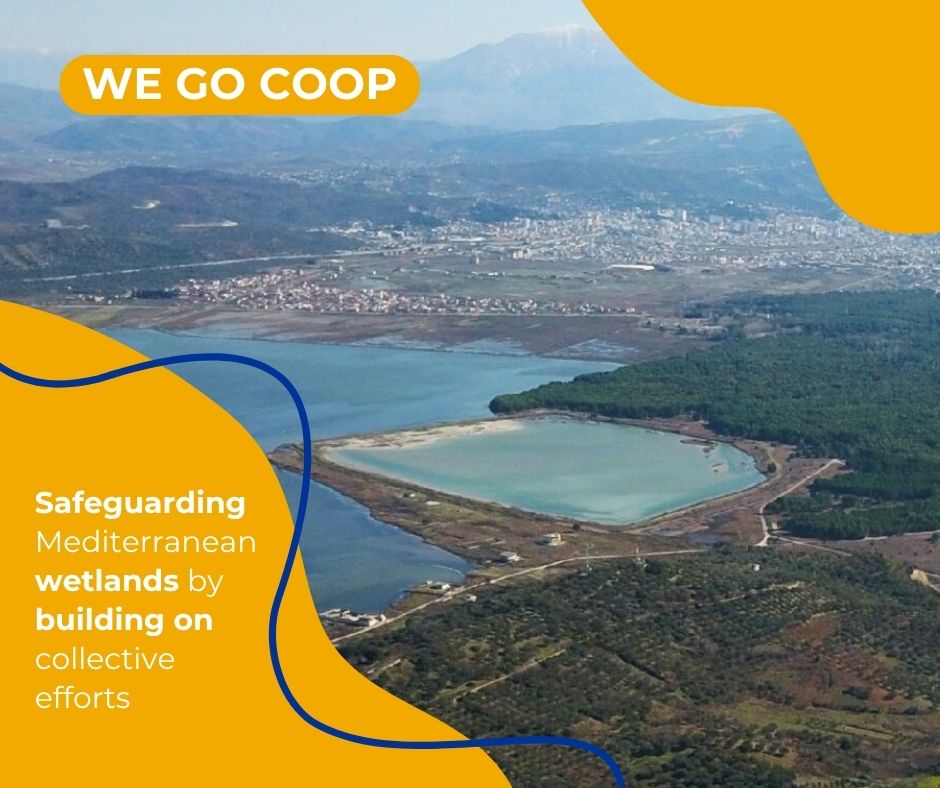
The same sentiment is echoed at WE GO COOP, a project dedicated to implementing wetland contracts following on from TUNE UP and WETNET. For Romina D’Ascanio and Elisa Avellini, researchers at Roma Tre University, ‘the creation by WE GO COOP of a Community of Practice was an obvious step towards creating a space for discussion on the implementation of these contracts, which had been lacking until then.’ In addition to facilitating exchanges, this platform includes an interactive and collaborative database of wetland contracts signed within the Programme’s cooperation area.
These examples demonstrate that capitalisation enables projects and results to develop from one generation to the next. As Raffaella Lioce sums it up, ‘capitalisation transforms something that has a beginning and an end into long-term governance and results. By allowing results to be amplified, it raises awareness that they are not an end in themselves, but a resource that must be constantly improved and optimised to respond to ever-changing social and economic contexts.’
This ability to evolve and adapt to new contexts is key to their transferability.
Transferring results into the practices and policies of other organisations
The adoption and widespread use of the solutions developed is naturally seen as the culmination of the capitalisation process—and there are plenty of examples to prove it:
- The TO CARE MED project was approached by the city of Matera in Italy with a view to using its Tourism Carrying Capacity Limit. ‘it’s great that we were able to share our project results, reaching even cities in southern Italy that are not partners in the project and not involved in any other Interreg Euro-MED Programme initiatives,’ says Nicola Camatti.
- The LOCAL4GREEN project worked with many municipalities and designed more than 100 fiscal policy measures for them to finance the energy transition: nearly 70 were adopted and the majority are still ruling. Its successor, LOGREENER, continues to support municipalities across the Mediterranean with a practical toolkit for designing and implementing local energy transition plans.
- As for the AZA4ICE project, several regional authorities – including Crete and Sardinia – have taken the project’s findings and recommendations into account in their funding criteria and in developing their support mechanisms for sustainable aquaculture and the circular economy.
This last example demonstrates the capacity of projects to influence planning and governance in Euro-Mediterranean territories. They can also be integrated into even broader strategies and initiatives.
For example, MPA4CHANGE caught the attention of the Conference of Peripheral Maritime Regions (CPMR) and the Union for the Mediterranean (UfM): “The former, because our results aligned with the objectives of its Bologna Charter; the latter, because it recognized an opportunity to integrate marine protected areas on the southern shore of the Mediterranean into our approach,’ conclude Nicolas Espitalier and Joaquim Garrabou.
In our next chapter, we will discover that capitalising also means building on the achievements of other projects. See you next month for the rest of the story!
